Are you looking for a gentle, effective treatment for your acne, but don't
have much time or don't want to spend a lot on it? Then
just take a look around in your kitchen. There are often
a lot of things, such as lemon or honey, with antibacterial properties, which
you can use to make masks to drive away your pimples. Many
of these products are already in skin products. Discover our
DIY recipes for radiant and smooth skin.

1. Honey
Sorry ladies, but we still don't have enough of this golden knit. You can go a
long way with a little honey. Raw, active honey has antibacterial, anti-fungal
and anti-inflammatory properties that kill bacteria, exfoliate and heal damaged
skin - the ideal acne treatment!
Organic honey is certainly not bad, but if you
are looking for a real boost, we recommend manuka honey.
A skincare expert, Sharon Hilditch, says: "Hydrogen peroxide is a
constituent of honey and gives it its antibacterial properties. However, Manuka
honey has other properties that help it repel bacteria such as methylglyoxal.
This is also found in other honey, but to a lesser extent, and the more
methylglyoxal, the stronger the antibacterial effect. "
When buying manuka honey, pay attention to the UMF (the factor of healing
power) and buy at least +15. This way you can be sure that the honey is
powerful enough to suppress annoying pimples.
Apply a good dose to your face and neck and leave on for 15 to 20 minutes. Then
gently massage in with circular movements and rinse with warm water.
2.
Apple cider vinegar
Apple cider vinegar is a real miracle cure. With a
swipe, you can tackle the blemishes, reduce redness and even treat blemishes before
they come out. The malic and lactic acid in the apples (from which cider
vinegar is made) pulls impurities from your skin and peels them off.
"Cider vinegar also contains beta-carotene, a good antioxidant that fights
harmful free radicals," says Dr. Terry Long, a skin specialist.
Apple cider vinegar also helps your skin reach its
ideal pH level (4.5-5.5), slightly on the acidic side. If your skin is too
alkaline, it will become dry and fragile (and prone to breakouts and wrinkles).
No thanks!
To make sure your skin has the right acidity,
apply some diluted apple cider vinegar at night and let the magic work while
you sleep. If you don't like it all night, you can also just leave it on for 10
to 20 minutes and then rinse with lukewarm water. Don't worry if you feel a
slight tingling sensation, that's a good sign. If, on the other hand, it burns,
you should rinse immediately and try something else.

3.Fresh papaya
Papaya is something that everyone with acne should
have at home. This is because fresh papaya contains a compound called papain.
It is a protein-splitting enzyme that acts as a peel on the skin and removes
dead skin cells and promotes the production of new cells.
Papaya is also rich in vitamins A, B and C which soothe red spots.
Especially the powerful vitamin A has many good properties. Vitamin A is often
added to products to soothe inflamed and swollen areas. But it doesn't stop
there, as papaya also keeps your skin hydrated and reduces signs of aging.
"Papaya is great as a general care product
for blemished or mature skin," says Sharon. "Mix a fresh papaya and
leave it on your skin for about 25 minutes. You will be amazed how soft and
radiant your skin will look."
Then apply your daily moisturizing cream.
4. Tea tree oil
If you don't already have it, now is the urgent time to get some tea tree oil!
Scientists say that this essential oil, which comes from the same tree that
Manuka honey is also extracted from, contains about a hundred medicinal
properties.
"Probably the organic compound terpinen-4-ol (the most abundant terpenoid)
is the main reason for tea tree oil's antimicrobial properties," said
Sharon. And that is why it is such a good candidate for getting rid of annoying
blemishes! But on top of that, it doesn't take away your skin's natural oils.
The oil thus targets the bacteria, but also soothes red, irritated skin (much
better than burning benzoyl peroxide).
BUT (pay close attention!) Never apply undiluted tea tree oil to your pimples.
The powerful solution can dry out, irritate and itch your skin, which is the
last thing you want when you have acne.
Mix 5 ml of tea tree oil with 95 ml of water and apply this on your acne. Be
sure to try mixing the oil with aloe vera gel or honey - the ways to use this
miracle product are endless.
We are fans!
5. Lemon juice
We know what you're thinking ... Like you were going to squirt lemon juice on
your pimples! But when used properly, lemons can be a solution for your pimples
(and acne scars).
Lemon juice contains an active ingredient called L-ascorbic acid, a powerful
antioxidant that treats acne and helps skin heal faster. It is a natural peel
and you can apply it all over your face directly on the pimples. Do dilute the
juice in water!
The best way to dilute is half lemon, half water. You can adjust the ratio
according to the reaction of your skin. Soak a bit of cotton wool in the
solution and apply - even leave it on overnight if necessary. You may feel a
slight tingling due to the acids, but don't panic, that means it is working. Do
not be stingy when you apply it so that you really take full advantage of its
medicinal properties. Who would have thought that lemons were so powerful!
"Lemon juice also absorbs oil well and brightens your skin," says Dr.
Loong. He does warn that "the effects are enhanced by UV rays. So be
careful when you apply it, especially if you have dark skin, so you don't get
burned or discolored."

6. Strawberries and yogurt
Have you ever heard of salicylic acid and hydroxycarboxylic acid? They are two
ingredients that are often in acne products and you know which is best? They
are both in strawberries and yogurt! Sharon tells us that "strawberries
are alpha hydroxycarboxylic acids packed with vitamin C and salicylic acids, an
ingredient known to treat acne."
The acids penetrate deep into the pores, exfoliate away dead skin cells, remove
excess sebum and cover up scars. If that isn't reason enough to try it out,
then we don't know anymore!
If you have fresh strawberries and a jar of natural yogurt in your fridge, then
you should definitely try this quick and easy recipe: cut and crush 3
strawberries. Mix with 3 tablespoons of yogurt (the yogurt is a good base for
applying the strawberries, just try not to eat it!).
If you want the remedy to have even more impact, drop in some tea tree oil or 2
tablespoons of honey. Leave the mask on for 15 to 20 minutes and rub off with a
warm washcloth.
7. Orange peel
Why not make the most of fruit? Not only are oranges delicious, but the peels
that often end up in the bin can work wonders on our skin.
"Both the zest and juice can improve skin problems, but the peel contains
more vitamin C than the pulp. Orange is also an alpha hydrodycarboxylic acid so
that the skin exfoliates while the zest cleanses your skin by pulling dirt deep
from the pores." , said Sharon.
Plus, orange peels are safe to use as much as you want. Remove the zest (wash
well so that no dirt remains) and gently rub your pimples. If you want to use
the whole orange, squeeze the juice and apply with a cotton swab to each pimple.
You can also use the zest in a face mask. Place the peel in the sun for two
days so that it can dry. Then crush the zest in a blender until you have a fine
powder and you're done! You now have a homemade acne treatment that you can add
to any DIY mask.
8. Coconut oil
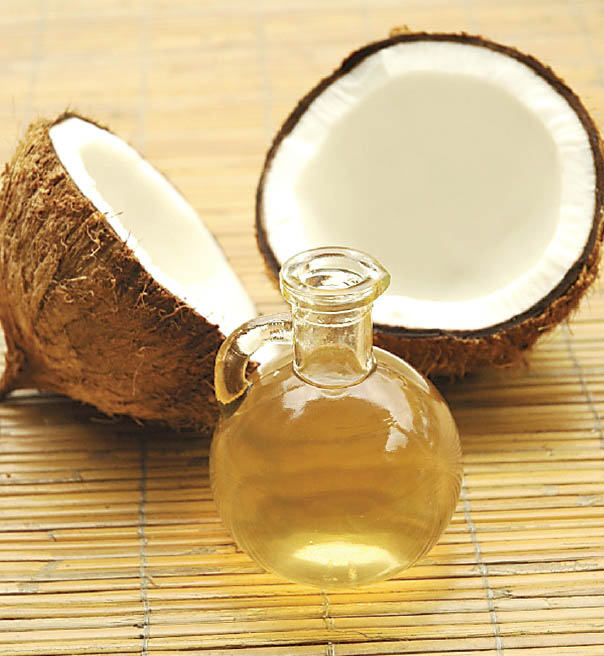
According to Dr. Loong, coconut oil contains two
important ingredients: decanoic acid and lauric acid. "Both contain
powerful antimicrobial and antibacterial properties. These two acids are also
present in breast milk and protect newborn babies from infection."
Blemishes are thus addressed, while vitamin E and its anti-inflammatory
properties maintain the balance in the sebaceous glands and soothe irritated
skin. Ideal for an effective acne treatment.
If you are going to use the oil on your skin, make
sure you have the right one, extra virgin coconut oil. Apply a teaspoon of pure
coconut oil all over your face and leave on overnight. This gives the oil time
to eat away bacteria while you sleep (and hydrates your skin).
Important! For some people it gets worse
initially, but don't panic. This is due to its detoxifying properties that pull
toxins to the surface. Give it a few weeks to deal with the stubborn acne - the
results may surprise you!
9. Protein
Not only are eggs delicious for breakfast, they
can also heal acne on the skin.
"Protein tightens, blurs large pores and
reduces excess oil. It also contains lysozyme, an enzyme that attacks and kills
the walls of acne-causing bacteria," says Dr. Loong.
According to some studies, proteins can act as a
mild blood-clotting agent, causing the pores to contract temporarily and firm
the skin. If you have eggs, now is the time to try this treatment!
Beat an egg white and apply evenly to your face.
Let the mask dry completely and rinse with lukewarm water. Then rinse your face
again with cool water to close the pores. Before you know it, your pimples will
be gone!
10. Milk
Do you suffer from red spots? Take the milk with it.
The lactic acid in the milk provides a moisturizing care that removes dry
patches (one of the main causes of acne) and loosens dead skin cells.
"Cleopatra, the Egyptian queen, was known for bathing in milk for soft
skin. Milk baths not only soothe the skin and provide a complete exfoliation,
but it protects your skin and soothes any inflammation," said Sharon.
While the milk does its best to get rid of your blemishes, you can also add a
little honey to it and make your treatment even more powerful; That way you
really bother those annoying bacteria!
Mix a tablespoon of honey and a tablespoon of milk for a mask. Opt for organic
products - the healthier the products, the better for your skin. Leave it on
for 10 to 15 minutes, then wet a cloth and rub the mask away in circular
motions (which also removes dead skin cells).